Overview
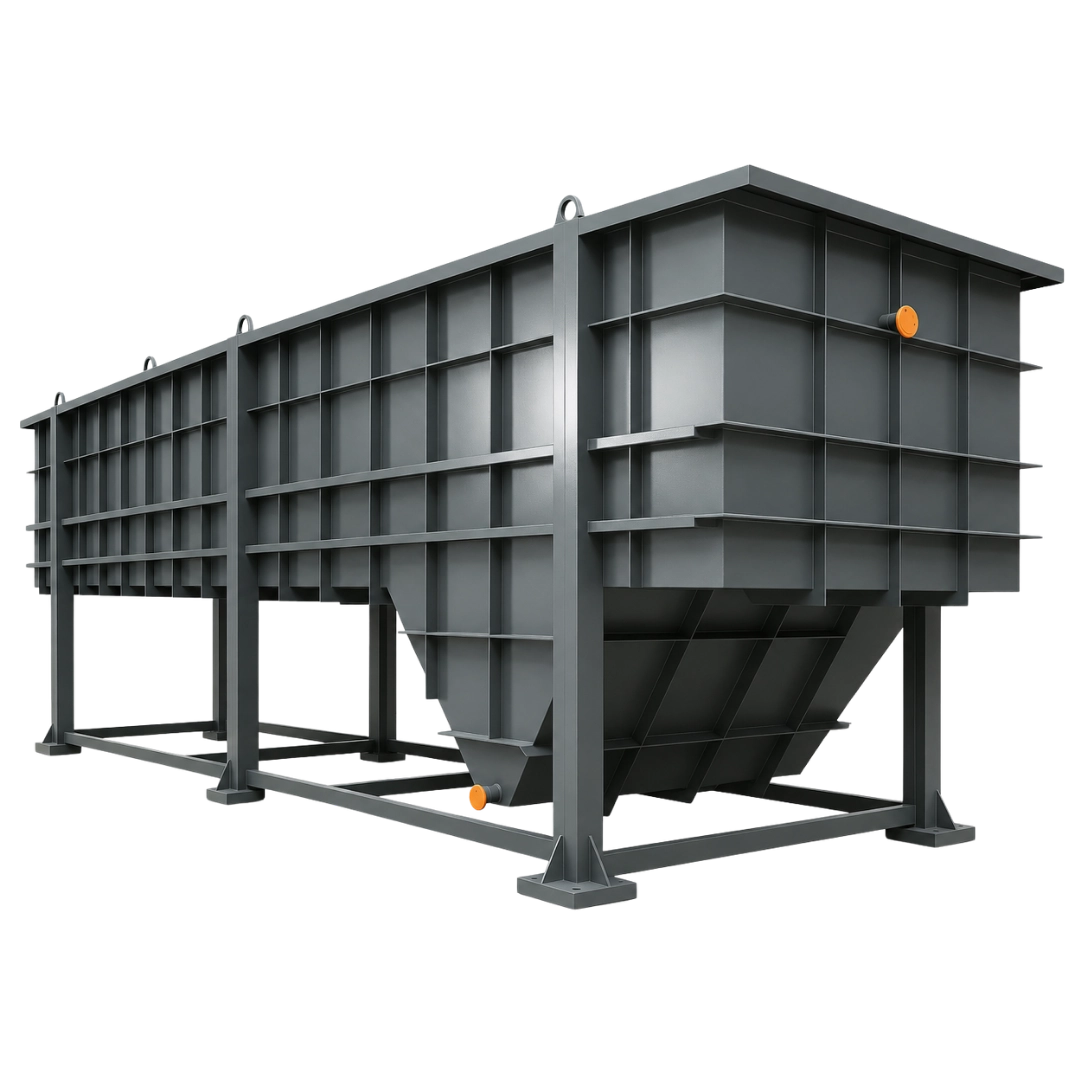
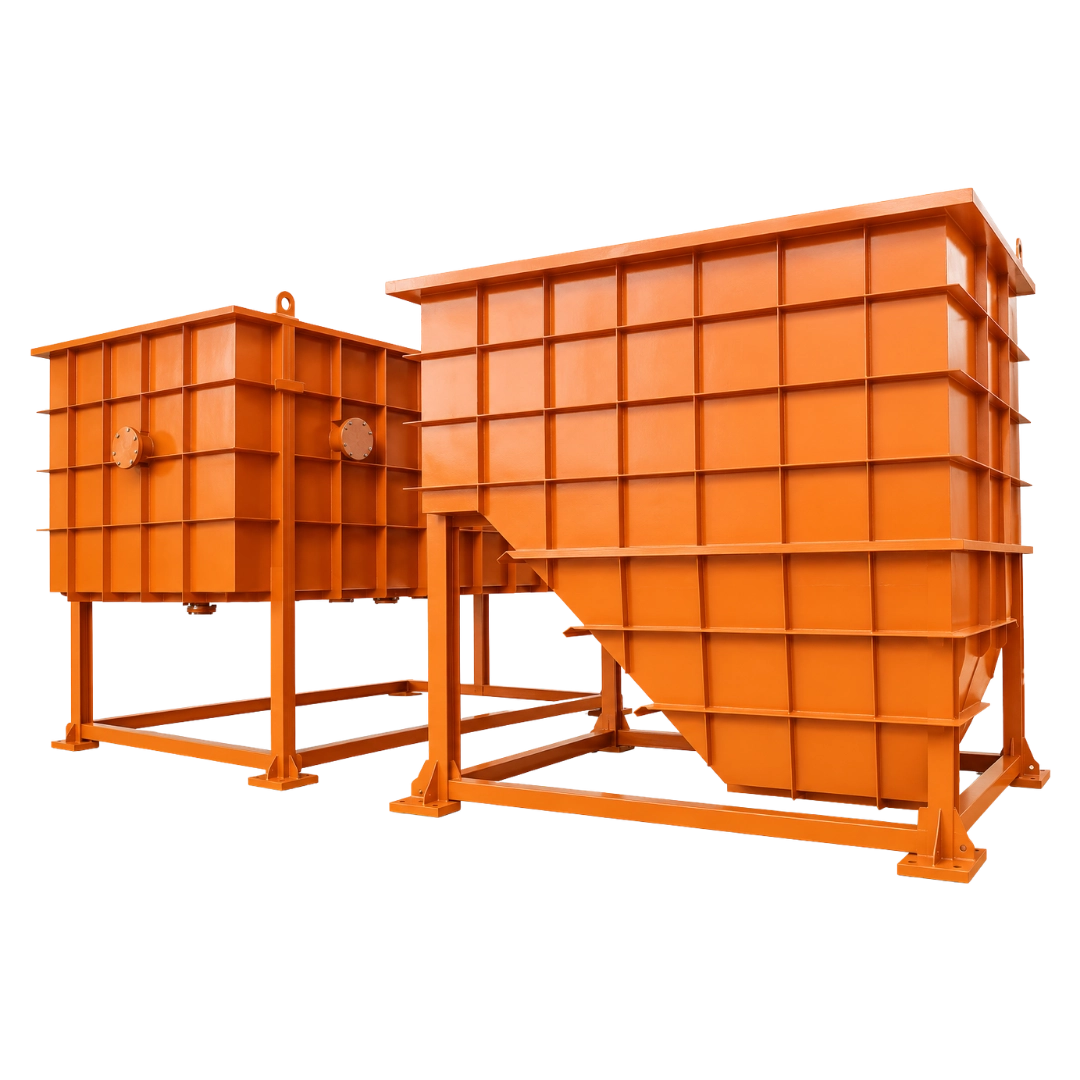
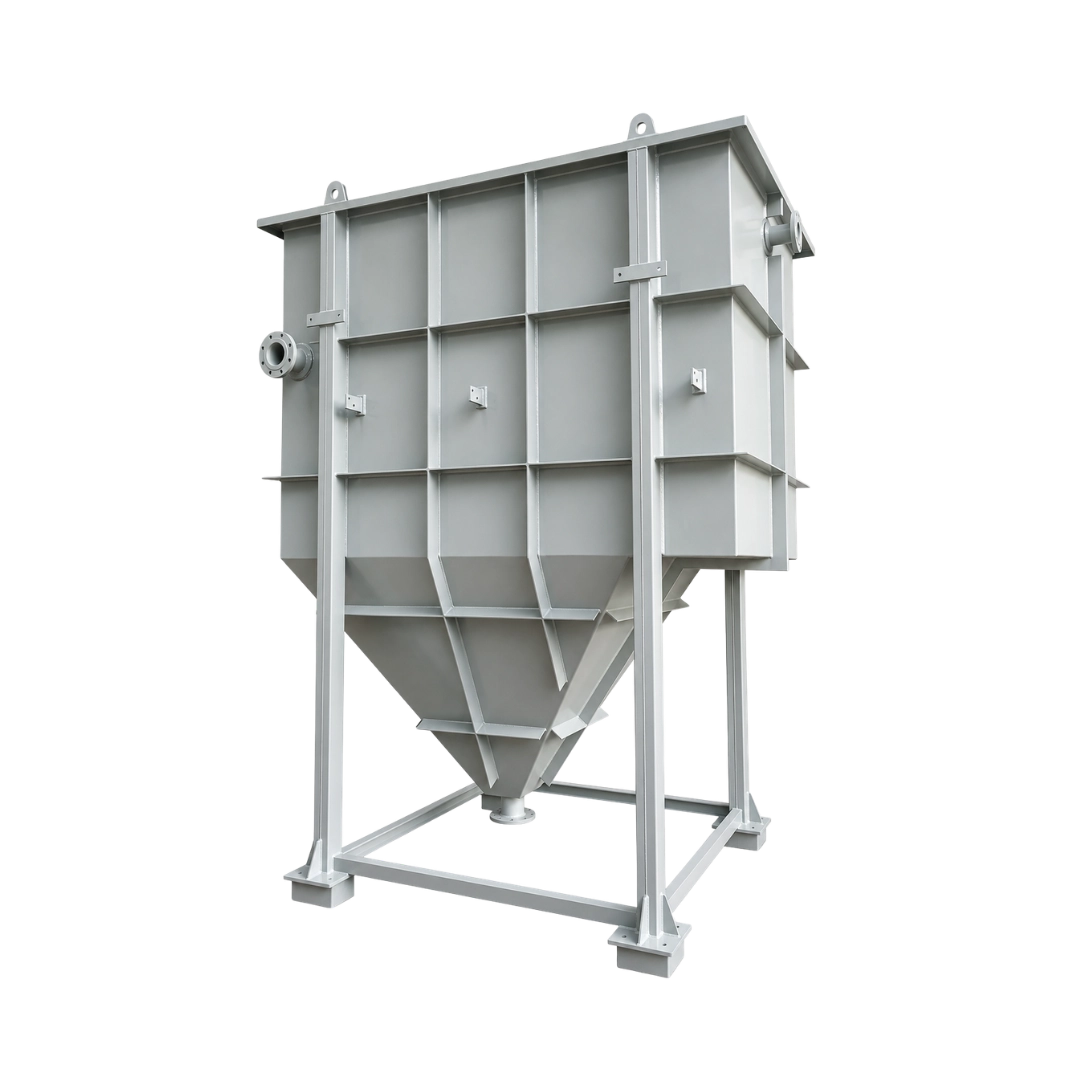
API oil-water separators use proven gravity-based separation to remove floating oils and settleable solids. They follow API 421 design for stable performance under fluctuating free-oil loads.
How It Works
Process flow and treatment mechanism in simple steps:
- 1
Effluent enters a calm separation zone sized for API residence time.
- 2
Free oil rises to the surface by density difference and is skimmed off.
- 3
Settleable solids collect in sludge hoppers for periodic removal.
- 4
Treated water exits under baffles to meet outlet targets.
Applications
Industries and situations where this product is ideal:
- Oil refineries and petrochemical plants
- Power plants
- General manufacturing
- Rail yards and wash bays
Technical Highlights
Sizes, flow capacities, material options and design notes:
- API 421 compliant design
- 70–90% free oil removal (>150 micron)
- SS304, SS316, RCC or mild steel construction
- High-efficiency skimming and sludge hoppers
- Free oil removal
- 70 – 90%
- TSS removal
- 30 – 50%
- Construction
- SS / RCC / MS
- Design
- API 421
Specifications are indicative. Final design is engineered to your effluent and site conditions.
Photo Gallery
Fabrication, site installation and commissioning photography. Click any image to preview full size.
Case Study
Oil & Gas · South Asia
Leading Oil & Gas Exploration Company, India
CPI corrugated-plate separation is the first stage in a pilot-validated produced water treatment train.
Read full case studyGet Quote
Share the following details with our engineers for a tailored proposal for your API Oil-Water Separators requirement:
- Flow rate and oil loading
- Free oil fraction
- Outlet oil limit
- Materials preference
Need this system sized for your plant?
Tell us about your effluent and operating conditions — our engineers will respond with a tailored proposal.